

Low Water Pressure in Your House? Public Water vs. Well Causes and Fixes in PA
Low water pressure usually traces to one of three places: a clogged fixture, a problem in the home’s piping or valves, or the supply itself, which is either a public water main or a private well system. A quick test narrows it down. One weak faucet points to that fixture, weak hot water points to the water heater, and a weak whole house calls for a pressure gauge reading. Mastery Plumbing’s licensed (PA133897), insured, and bonded team, led by master plumber Dan Dunn, handles water pressure repair for public water and well homes across Allentown, Quakertown, and Bucks and Montgomery County, and homeowners can read our 4.8-star Google reviews, Yelp profile, and Houzz portfolio before calling 267-377-4172.
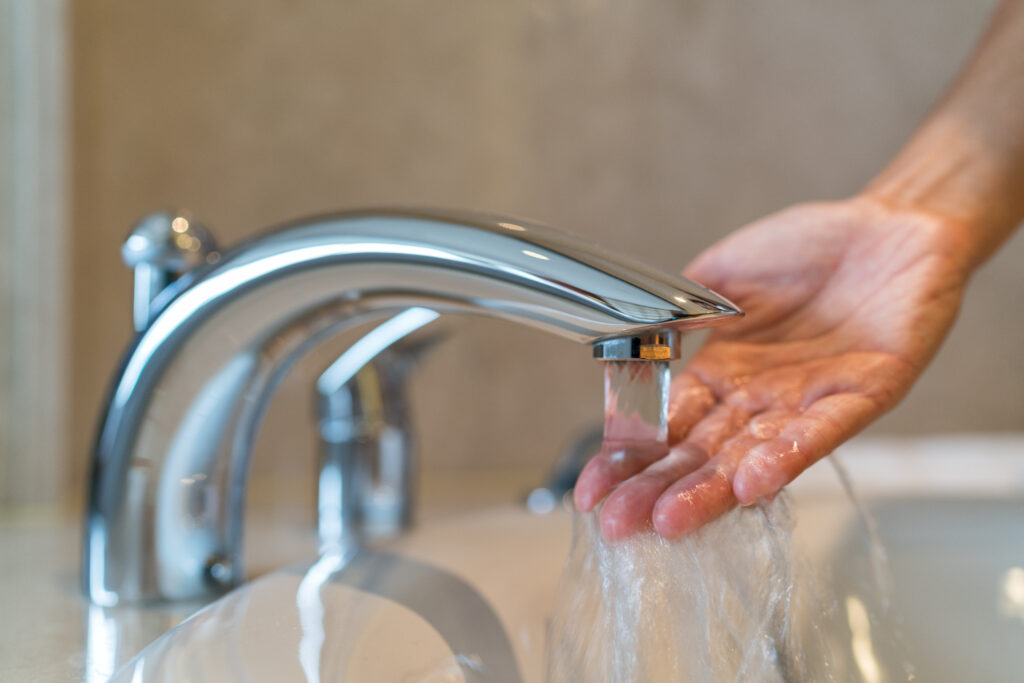
What Counts as Low Water Pressure?
Pressure is the force pushing water through your pipes, measured in pounds per square inch (psi). Flow is the volume that comes out, and the two are related but not identical. A clogged aerator cuts flow at one faucet, while low pressure shows up throughout the system.
The EPA WaterSense home maintenance guidance says fixtures work best when incoming pressure is between 45 and 60 psi. A reading much lower than 45 psi may mean a leak somewhere in the home. A reading much higher is a reason to have a professional adjust or install a pressure-reducing valve (PRV), which the EPA calls a pressure-regulating valve, to help hold pressure at 60 psi.
Public systems have their own rules. 25 Pa. Code § 109.607 requires public distribution systems to be designed and built for a normal operating pressure of 25 to 125 psi at the main, with different limits at peak demand. That standard applies to the main, not to the faucet in your kitchen, so a home can still have a pressure problem inside the walls.
How to Test Your Water Pressure
- Buy a water pressure test gauge at a hardware store.
- Turn off every water-using fixture and appliance in the house.
- Attach the gauge to an outdoor hose bibb.
- Open the water fully and read the dial. Write the number down.
- Repeat in the morning and evening to see whether pressure dips during busy periods.
Steps two through four follow the EPA guidance. The last step is our own tip, since pressure can change with demand on the supply.
Public Water or Well? Where Your Pressure Comes From
Check which system you have before you chase a cause. A water meter where the line enters the property and a bill from a water supplier mean public water. A pump, a pressure tank, and a well cap mean a private well. Penn State Extension reports that there are over one million private wells in Pennsylvania, and over three million residents get their water from a private system.
| Public water | Private well | |
| Where pressure comes from | The supplier’s mains | Your pump and pressure tank, controlled by a pressure switch |
| Typical target | EPA: 45 to 60 psi at fixtures, which a PRV may help maintain | Pressure switch settings such as 30/50 or 40/60 psi |
| Common causes of low pressure | Supplier work, closed valves, PRV problems, clogged fixtures, corroded pipe, leaks | Pressure switch, waterlogged tank, worn pump, clogged intake or filter, low water level |
| Who to call first | Your water supplier if neighbors are affected, then a plumber | A plumber who services well systems |
9 Causes of Low Water Pressure and How to Fix Them
Causes with Public Water (1 to 6)
| Cause | How to spot it | Typical fix |
| 1. A problem with the water supply | Neighbors have low pressure too, or pressure dips during main work or a main break | Call the water supplier and wait for repairs; a plumber can review options if low supply is chronic |
| 2. A valve that is not fully open | Pressure is low everywhere, and the main or meter valve handle sits partly closed | Open the valve fully; a plumber replaces a valve that sticks or leaks |
| 3. A failing or misadjusted pressure-reducing valve | The gauge reads low or swings while neighbors see normal pressure | A plumber tests, adjusts, or replaces the valve |
| 4. Clogged aerators, showerheads, or inline filters | One or a few fixtures are weak, and cleaning restores flow | Clean or replace the aerator or showerhead, and change filter cartridges |
| 5. Corroded galvanized or aging pipe | Pressure faded gradually in an older home, sometimes with rusty water | Replace corroded sections or repipe |
| 6. A hidden leak | Low pressure with a rising water bill, damp spots, or a moving meter with everything off | Leak detection and repair |
Two of these deserve a closer look. On corrosion, the Carson Dunlop home inspection report library notes that the interior of galvanized steel supply pipe is typically corroded, which reduces water pressure and volume. Our repiping service replaces failing lines. On leaks, our leak detection and repair team pinpoints the source before opening walls.
Causes with a Private Well (7 to 9)
| Cause | How to spot it | Typical fix |
| 7. A pressure switch that fails or is set incorrectly | Pressure swings, the pump runs constantly, or it never reaches full pressure | A well plumber tests and adjusts or replaces the switch |
| 8. A waterlogged pressure tank or lost air charge | Rapid switch clicking, pulsing pressure, a fluttering gauge, or no hollow sound when tapped | Restore the air precharge or replace a failed tank |
| 9. A failing pump, clogged intake, or low water level | Weak flow even while the pump runs, sputtering, sandy water, or seasonal drops | Pump and well inspection, then repair or replacement of the failing part |
The Boshart waterlogged tank guide lists the classic signs, including a switch that turns on and off rapidly, a cold or wet upper tank, a gauge needle that flutters, and pulsating pressure. It attributes the problem to a torn bladder or diaphragm. The Pentair pressure tank manual says to set the air precharge 2 psi below the pump cut-in pressure, which works out to 28 psi for a 30/50 switch and 38 psi for a 40/60 switch, and to set it with no water in the tank.
Power should be off before anyone works on the tank or switch. The same manual warns that the pump power source must be disconnected before servicing, which is one reason well pressure repairs belong to a plumber.
Our well pump and pressure tank service covers all three causes, and our guide to well pump system repair explains what a pump inspection involves.
Low Hot Water Pressure Only
When cold water is strong and hot water is weak, the problem sits between the heater and the faucet. The usual suspects are:
- Sediment buildup in a tank-style water heater
- A partly closed valve at the heater
- A clogged inlet screen or mixing valve
- Corroded hot-side galvanized pipe
- Mineral scale inside a tankless unit
A water heater repair visit can test the heater and the hot lines, and tankless water heater service can address scale.
Step-by-Step: How to Diagnose Low Water Pressure
- Note where it is low: one fixture, several, hot only, or the whole house.
- Remove the aerator or showerhead at the weak fixture and look for debris.
- Check whether both hot and cold water are weak.
- Confirm the main shutoff and the meter valve are fully open.
- Test the pressure with a gauge at an outdoor hose bibb, with every fixture off.
- Ask a neighbor or your water supplier whether others are affected.
- Check the water meter with everything off, since movement can point to a leak.
- On a well, watch the pressure gauge through a cycle and listen for rapid switch clicking.
- Call a plumber when the cause is not a simple fixture clog.
DIY vs. Professional: What Homeowners Can Handle
| Homeowners can | A licensed plumber handles |
| Clean aerators and showerheads | Testing, adjusting, or replacing a pressure-reducing valve |
| Open valves fully and check for visible leaks | Leak detection and pipe repair |
| Replace sediment filter cartridges | Replacing corroded sections or repiping |
| Read a pressure gauge and track results | Water heater service for low hot pressure |
| Ask neighbors or the supplier about outages | Pressure tank, pressure switch, and well pump work |
How Plumbers Fix Low Water Pressure
A plumber starts with the gauge reading and the symptoms, then works from the simplest cause to the most involved.
| Repair option | Best for | Trade-offs |
| Valve or PRV repair or replacement | Pressure that is low everywhere with a healthy supply | Does not help if pipes are corroded or the supply is low |
| Leak repair | Low pressure with a rising bill or a moving meter | May require opening walls or floors to reach the pipe |
| Repiping | Corroded galvanized or aging lines | Larger project with more planning |
| Pressure tank or switch service | Well homes with short cycling or pressure swings | A tank that has failed needs replacement, not adjustment |
| Pump repair or replacement | Well homes with weak flow while the pump runs | Needs a well and pump inspection first |
| Booster pump | Some homes with a chronically low supply | Cannot fix leaks or clogged pipe, so the cause comes first |
Low Water Pressure in Allentown, Coopersburg, Quakertown, and Nearby: Local Context
The first question for any homeowner in Coopersburg, Quakertown, or Allentown is whether the problem starts at the supply or inside the house. The Lehigh County Authority fact sheet says the authority provides public water and/or wastewater service to 270,000 residents and businesses throughout Lehigh and Northampton counties, including the City of Allentown, and that the water it provides comes from wells, springs, the Little Lehigh Creek, and the Lehigh River. Other communities are served by other suppliers, so ask your own supplier about outages and main work.
Older homes add another layer. Census-based figures from Point2Homes show a median build year of 1952 in Allentown, where 37.9 percent of homes date to 1939 or earlier, and 1967 in Quakertown, where 26.1 percent do. Homes from those eras are more likely to have galvanized or aging supply pipe.
Well owners carry their own maintenance duties. Penn State Extension advises testing for coliform bacteria every year and having the system inspected by a professional at least every 10 years, and a pump and tank check fits naturally into that visit.
Frequently Asked Questions About Low Water Pressure
What is normal water pressure for a house?
The EPA says fixtures work best when incoming pressure is between 45 and 60 psi. A reading much lower than 45 psi may mean a leak in the home, and a reading much higher is a reason to have a professional adjust or install a pressure-reducing valve.
How do I test my water pressure at home?
Buy a water pressure test gauge, turn off all water-using fixtures and appliances, attach the gauge to an outdoor hose bibb, and open the water fully. Read the dial and write it down. Testing at different times of day shows whether pressure drops during busy periods.
Is low water pressure a water company problem or a plumbing problem?
Check with neighbors or call your water supplier. If others on the street have low pressure too, the cause is likely in the supply. If only your home is affected, the cause is a fixture, a valve, a pressure-reducing valve, a pipe, a leak, or, with a well, your pump system.
How do I know if I have public water or a private well?
Public water homes have a water meter where the line enters the property and a bill from a water supplier. Well homes have a pump, a pressure tank, and a well cap outside, and usually no water bill. Penn State Extension notes that there are over one million private wells in Pennsylvania.
What causes low water pressure with a well?
The usual causes are a pressure switch that is failing or set incorrectly, a waterlogged pressure tank or lost air charge, a worn pump, a clogged intake or filter, and a low water level. Corroded pipes, hidden leaks, and clogged fixtures affect well homes just as they do public water homes. A plumber who services wells can test each part.
How can I tell if my well pressure tank is waterlogged?
Common signs include a pump that starts and stops rapidly, a switch that clicks on and off, pressure that surges and drops, a fluttering gauge needle, and no hollow sound when you tap the upper part of the tank. A failed bladder or diaphragm is a common cause. Turn the pump power off before anyone works on the tank.
What pressure should my well pressure switch be set to?
Common residential settings include 30/50 psi and 40/60 psi, where the first number is when the pump turns on and the second is when it shuts off. The tank’s air precharge should sit about 2 psi below the cut-in setting, according to the Pentair pressure tank manual. Have a plumber adjust settings, because the wrong values can strain the pump.
Why is my hot water pressure lower than my cold?
When only the hot side is weak, the water heater or the hot lines are the likely cause. Sediment in a tank-style heater, a partly closed valve, a clogged inlet screen or mixing valve, and corroded hot-side pipe can all restrict flow. A plumber can test the heater and the hot lines.
Can clogged aerators or showerheads cause low water pressure?
Yes, but they only affect the fixture they are attached to. Unscrew the aerator or showerhead, look for debris or mineral buildup, and clean or replace it. If pressure is still weak at that fixture, check the stop valve and supply line next.
Can corroded galvanized pipes reduce water pressure?
Yes. A home inspection report library from Carson Dunlop says the interior of galvanized steel supply pipe is typically corroded, which reduces water pressure and volume. Pressure that has faded gradually in an older home, along with rusty water, points toward galvanized pipe. A plumber can confirm the pipe material and recommend replacement.
Can a hidden leak cause low water pressure?
Yes. The EPA says that if service pressure is much lower than 45 psi, you may need to find and fix a leak in your home. Check the water meter with every fixture off, and call a plumber if it moves or if you see damp spots or a rising water bill.
What does a pressure-reducing valve do, and can it fail?
A pressure-reducing valve, also called a pressure regulator, holds incoming pressure within a set range for the home. The EPA says that when pressure is much higher than 60 psi, a professional can adjust or install one to help maintain 60 psi. A valve that fails or drifts can leave pressure too low or too high, and a plumber can test it with a gauge.
Can you increase my water pressure?
Often, once the cause is found. Cleaning a clogged fixture, replacing a failed valve or corroded pipe, fixing a leak, or adjusting a well system can restore pressure. A booster pump is an option for some homes with a low supply, and a plumber will confirm the cause before recommending one.
What should I check first if my water pressure suddenly drops?
Check whether neighbors are affected and whether the main shutoff and meter valve are fully open. Look for visible leaks and check the water meter with everything off. On a well, listen for the pump and check the pressure gauge and switch.
Do you repair water pressure problems in Allentown, Quakertown, Bucks, and Montgomery County?
Yes. Mastery Plumbing diagnoses and repairs low water pressure for public water and well homes across Allentown, Quakertown, and Bucks and Montgomery County. Call 267-377-4172 to schedule a visit, and tell us whether your home uses public water or a well.
When to Call Mastery Plumbing for Low Water Pressure
Call Mastery Plumbing when the gauge reads low, when pressure drops with a rising water bill, when hot water is weak, or when a well system short cycles. Our team serves homeowners in Allentown, Quakertown, Bethlehem, Easton, and Doylestown, and we dispatch 24/7.
| Why Choose Mastery Plumbing | What It Means for You |
| Reviews You Can Verify: Google, Yelp, Houzz | Real customer feedback on three independent platforms, so you can check our work before you call. |
| Licensed PA133897, Insured and Bonded | You are protected by verified credentials and coverage if anything goes wrong on site. |
| Master Plumber Dan Dunn, 25+ Years of Experience | The owner brings decades of hands-on experience to the job and stays accountable for the result. |
| Family-Led and Local Since 2017 | A local team that serves Bucks, Montgomery, and the Lehigh Valley and treats your home like its own. |
| 24/7 Emergency Dispatch, Same-Day Service | We answer day or night, including holidays, so a burst pipe or sewer backup does not wait for business hours. |
| Upfront Estimates, Financing Available | You approve the scope before work begins, with no hidden fees, and financing and payment plans are available. |
| 1-Year Workmanship Warranty | We stand behind our repairs and installations after the crew leaves. |
| Public Water and Well Know-How | We diagnose both public water and private well systems, so you get one plumber for the whole pressure problem. |
| VIP Care Plans | Annual multi-point inspections, no service fees, and discounted emergency fees keep small problems small. |
Schedule Water Pressure Repair in Allentown, Quakertown, and Beyond
Mastery Plumbing provides licensed (PA133897), insured, and bonded water pressure repair with 24/7 dispatch. Call 267-377-4172 or request service online. Meet Dan Dunn and the team on our About Us page, read feedback on our reviews, and browse every option on our plumbing services overview.


