

Emergency Water Leak at Home: What to Do First Before the Plumber Arrives
In an emergency water leak, shut off the main water valve first, then turn off the water heater, make the area electrically safe, contain the water, take photos for your insurer, and call a licensed plumber. Acting in that order stops the flow within minutes and gives you the best chance of drying the area inside the 24 to 48 hours the EPA says matters for preventing mold. Mastery Plumbing’s licensed (PA133897), insured, and bonded team, led by master plumber Dan Dunn, handles emergency water leak repair across Allentown, Quakertown, and Bucks and Montgomery County, and homeowners can check our 4.8-star Google reviews, Yelp profile, and Houzz portfolio before they call. Our dispatch team answers 24/7 at 267-377-4172.
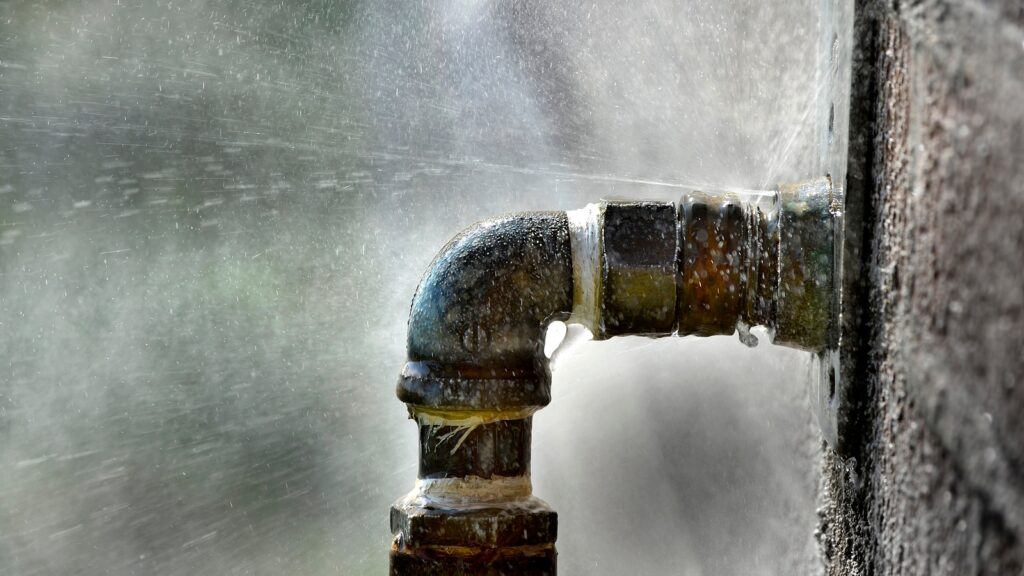
7 Steps to Take Before the Plumber Arrives
- Shut off the main water valve. Close the main shutoff, usually located where the water line enters the home, often near the meter in a basement, crawl space, or utility area. Turn a wheel handle clockwise until it stops, or turn a lever handle a quarter turn so it sits across the pipe. If the leak comes from one fixture, close the stop valve under the sink or behind the toilet instead. On a private well, switch off the well pump at its breaker first, so it stops refilling the tank, then close the valve on the line leaving the pressure tank.
- Turn off the water heater. If the leak involves hot water or the heater itself, switch an electric heater off at its breaker, or set a gas heater’s control to its off or pilot position. That keeps the elements or burner from running while the system drains. Hot water can scald, so let hot lines cool before you touch them.
- Make the area electrically safe. The CDC electrical safety guidance advises turning off power at the main breaker when water reaches wet circuits or equipment, and it warns against entering standing water to reach the switch. If you cannot reach the panel safely, call an electrician. Never touch electrical equipment while standing in water.
- Drain and contain the water. After the main is off, open a faucet on the lowest level to drain the remaining water and relieve pressure. Use towels, buckets, and a wet/dry vacuum to remove standing water, and move furniture and valuables out of the wet area. Do not use drains if you suspect sewage.
- Document the damage. Photograph or videotape the damage before you clean up, and list the damaged items. Triple-I claim guidance advises saving receipts and keeping damaged items until the adjuster has visited. Ask your insurer whether it wants to see the failed part, such as a burst supply line.
- Start drying right away. The EPA mold guidance says to dry water-damaged areas and items within 24 to 48 hours to prevent mold growth. Open windows if the weather allows, run fans and a dehumidifier, and lift wet rugs and soaked cardboard off the floor.
- Call a licensed plumber and your insurer. Tell the plumber where the leak is, whether it is hot or cold water, what you have shut off, and the age of the pipe or heater if you know it. Phone your insurance professional promptly and report the damage.
That sequence works whether the leak starts at 2 p.m. or 2 a.m., and our 24/7 emergency plumbing team is ready for both.
What Counts as an Emergency Water Leak?
An emergency water leak is a leak you cannot stop with a local valve, a leak near electrical components, a leak that threatens the structure, or a leak that involves the water heater or sewage. Small leaks add up too. The EPA WaterSense data on household leaks show that the average household’s leaks waste more than 9,300 gallons of water every year, and nine percent of homes have leaks that waste 50 gallons or more per day.
| Call right now | Can usually wait until the next business day (after you close the valve) |
| Water flowing or spraying that you cannot stop with a valve | A slow drip from a faucet or supply line with its stop valve closed |
| Water near the electrical panel, outlets, or light fixtures | A running toilet with the supply valve closed |
| A leaking water heater tank | A small leak under a sink, contained and with the valve closed |
| A ceiling that sags or bulges with trapped water | A damp spot with no active flow and the main shut off |
| Sewage or drain water backing up into the home | A dripping outdoor spigot with the supply closed |
| No working shutoff valve anywhere in the home | Condensation on a cold pipe or toilet tank |
If the water is sewage rather than clean supply water, follow our guide to emergency steps for a sewer backup.
What Causes Emergency Water Leaks?
Most emergency leaks trace back to one of these causes.
- Frozen or burst pipes. Water expands as it freezes and can crack a pipe or fitting. The leak often shows up when the pipe thaws.
- Aging supply pipes. Corrosion in older galvanized and copper lines can create pinhole leaks and weak joints. Homes with repeated leaks may be candidates for repiping.
- Failed hoses and supply lines. Washing machine hoses and toilet or faucet supply lines wear out. Triple-I advises replacing any hoses with cracks or leaks immediately.
- Water heater failure. Tank corrosion, a failed valve, or a loose fitting can release a lot of water quickly. A water heater repair visit often finds the cause.
- Worn fixtures and seals. The EPA notes that a faucet dripping about once per second can waste more than 3,000 gallons a year, and it recommends replacing toilet flappers at least every five years. Our faucet repair and toilet repair teams handle both.
- Damaged underground lines. Tree roots, ground movement, and digging can damage the service line between the street and the house.
Warning Signs of a Leak You Cannot See
Hidden leaks give hints before they turn into emergencies.
- An unexplained jump in your water bill
- The sound of running water when every fixture is off
- Damp spots, stains, bubbling paint, or warped flooring
- A musty odor in a basement, closet, or crawl space
- Lower water pressure than usual
- A wet or unusually green strip of lawn over the service line
The EPA suggests a simple meter test: read the meter, wait two hours without using any water, and read it again. Any change suggests a leak. Leaks under concrete floors need specialized equipment, and our slab leak team pinpoints the source before anyone opens the floor.
DIY vs. Professional: What You Can Handle and What Needs a Plumber
| Homeowners can | A licensed plumber handles |
| Close the main and fixture shutoff valves | Finding hidden or recurring leaks |
| Turn off the water heater and make the area electrically safe | Repairing or replacing damaged pipe sections |
| Contain and remove water, and start drying | Water heater repair or replacement |
| Photograph the damage and call the insurer | Service line and slab leaks |
| Replace a worn washing machine hose with the valve closed, if comfortable | Repiping and pressure testing |
Pipe clamps and wraps from a hardware store can slow a small leak, but they are temporary at best. A plumber should replace the damaged section.
Emergency Leak Repair: What Happens When the Plumber Arrives
- Confirm the water, power, and water heater are shut off, and the area is safe.
- Locate the source with a visual inspection and, when needed, moisture meters, listening equipment, or thermal imaging.
- Repair or replace the damaged section with code-approved materials.
- Pressure-test the system and restore the water slowly.
- Check fixtures, appliances, and the water heater for proper operation.
- Review what failed and recommend next steps, such as replacing aging lines or checking water pressure.
| Option | Advantages | Trade-offs |
| Spot repair | Fast, targeted, and less disruptive | Other aging pipe in the home can fail later |
| Repiping | Replaces worn lines and reduces repeat leaks | Larger project with more planning and wall access |
After the Leak: Drying, Mold, and Insurance Basics
Drying comes first. The EPA states that if wet or damp materials are dried within 24 to 48 hours after a leak, in most cases mold will not grow. For widespread damage or mold covering more than 10 square feet, the EPA points to its remediation guidance and suggests hiring a contractor with mold cleanup experience.
Triple-I (the Insurance Information Institute) says homeowners and renters insurance provides coverage for burst pipes, while flood damage from rising water falls under a separate flood policy. It also notes that some policies cover sewer and drain backups but many do not, and that a sewer backup rider is available. Read your policy and ask your agent what applies before you need it.
Emergency Water Leaks in Allentown, Quakertown, Bucks, and Montgomery County: Local Context
Freeze season is close. The average first fall frost in Allentown arrives around October 17, according to the Old Farmer’s Almanac, which uses NOAA’s 1991 to 2020 climate normals. Leaks from frozen pipes often appear when the pipe thaws, so find your main shutoff before the first hard freeze and disconnect outdoor hoses.
Home age and tenure shape how leaks play out. Older homes may have original shutoffs that seize, and renters need to know that the first step is the same: close the valve, then notify the landlord right away.
| Community (ACS 2019 to 2023, via Point2Homes) | Median year built | Renter-occupied homes |
| Allentown | 1952 | 56.8 percent |
| Doylestown | 1963 | 53 percent |
| Quakertown | 1967 | 45.1 percent |
| Pottstown | 1951 | 44.9 percent |
| Lansdale | 1958 | 44.7 percent |
Private wells add one more step. Penn State Extension notes that there are over one million private wells in Pennsylvania, and over three million residents get their water from a private system. Well owners should add the pump breaker to their emergency routine, and our well pump and pressure tank team handles repairs when the leak involves the pump or tank. Basement water that seeps in from the ground rather than from a pipe is usually a drainage problem, and a working sump pump is the usual fix.
Frequently Asked Questions About Emergency Water Leaks
What should I do first when a pipe bursts or leaks?
Close the main water shutoff valve first, because that stops the flow and limits damage. Then turn off the water heater, make the area electrically safe, contain the water, and take photos before you clean up. Call a licensed plumber once the water is under control.
Where is my main water shutoff valve?
It is usually located where the water line enters the home, often near the water meter in a basement, crawl space, or utility area. Homes with a private well may have the main valve on the line leaving the pressure tank. Find it before an emergency, and close and reopen it once a year so it does not seize.
What if I cannot find or close the main valve?
Close the stop valve at the leaking fixture if there is one, then call a licensed plumber right away. If you are on public water, call your water supplier and ask about shutting the water off at the curb. If you are on a well, switch off the pump at its breaker.
Should I turn off the electricity during a water leak?
Yes, if water is reaching outlets, appliances, light fixtures, or the electrical panel. The CDC advises turning off power at the main breaker only if you can reach it without entering standing water, and calling an electrician if you cannot. Never touch electrical equipment while standing in water.
Should I turn off the water heater when a pipe leaks?
If the leak involves hot water or the heater itself, or if the main is shut off and the system is draining, turn the heater off. Switch an electric unit off at its breaker, or set a gas unit’s control to its off or pilot position. Let hot lines cool before touching them, because hot water can scald.
How do I stop a leak temporarily?
Closing the nearest valve is the only dependable stopgap. Towels and buckets contain the water, and hardware-store pipe clamps or wraps can slow a small leak, but they are temporary at best. Have a plumber replace the damaged section.
Is a leak an emergency, or can it wait until morning?
A leak is an emergency when you cannot stop it with a valve, when water is near electrical components, when the water heater is leaking, or when sewage is involved. A slow drip with the valve closed and the area contained can usually wait for the next business day. When in doubt, call, and the dispatcher will help you decide.
How long do I have before mold grows?
The EPA says to dry water-damaged areas and items within 24 to 48 hours to prevent mold growth, and that in most cases mold will not grow if materials are dried in that window. Start removing water and running fans right away. For widespread damage or mold covering more than 10 square feet, the EPA points to its remediation guidance.
Does homeowners insurance cover a burst pipe?
Triple-I, the Insurance Information Institute, says homeowners and renters insurance provides coverage for burst pipes. Coverage varies by policy, so call your insurer promptly and ask what applies. Flood damage from rising water falls under a separate flood policy, and many policies exclude sewer and drain backups unless you add a rider.
What should I photograph or document for an insurance claim?
Photograph or videotape the damage before cleanup, list the damaged items, and save receipts for emergency expenses such as plumbing and drying equipment. Triple-I also advises keeping damaged items until the adjuster has visited. Ask your insurer whether it wants to see the failed part, such as a burst supply line.
How can I tell if I have a hidden water leak?
Common signs include an unexplained jump in your water bill, the sound of running water when everything is off, damp spots or stains, bubbling paint, and a musty odor. The EPA suggests a meter test: read the water meter, wait two hours without using any water, and read it again, because any change suggests a leak. A plumber can pinpoint the source with leak detection tools.
What should I do if my home uses a private well?
Switch off the well pump at its breaker so it stops refilling the pressure tank, then close the shutoff valve on the line leaving the tank and open a low faucet to drain the remaining water. Penn State Extension notes that there are over one million private wells in Pennsylvania, so well-specific steps matter here. Call a plumber who services well systems for the repair.
What if the water is sewage or drain water instead of clean supply water?
Stop using sinks, tubs, and toilets, avoid contact with the water, and call a plumber right away. A sewage backup is a different emergency from a supply-line leak and often calls for a camera inspection of the sewer line. Check your policy for sewer backup coverage, since Triple-I notes that many policies exclude it unless you add a rider.
Can frozen pipes cause an emergency leak, and what should I do?
Yes. Water expands as it freezes and can crack a pipe, and the leak often appears when the pipe thaws. If you find a frozen pipe or a thaw leak, close the main valve, open the affected faucet, and call a plumber. Do not use an open flame to thaw a pipe.
Do you offer 24/7 emergency leak repair in Allentown, Quakertown, Bucks, and Montgomery County?
Yes. Mastery Plumbing dispatches 24/7, including holidays, and offers same-day service across Allentown, Quakertown, and Bucks and Montgomery County. Call 267-377-4172 and tell the dispatcher what you have shut off so the plumber arrives prepared.
When to Call Mastery Plumbing for an Emergency Water Leak
Call Mastery Plumbing when water will not stop after you close the valve, when a leak sits near electrical components, when the water heater is leaking, or when a leak keeps coming back. Our team serves homeowners in Allentown, Quakertown, Doylestown, Lansdale, and Bensalem, and we dispatch 24/7.
| Why Choose Mastery Plumbing | What It Means for You |
| Reviews You Can Verify: Google, Yelp, Houzz | Real customer feedback on three independent platforms, so you can check our work before you call. |
| Licensed PA133897, Insured and Bonded | You are protected by verified credentials and coverage if anything goes wrong on site. |
| Master Plumber Dan Dunn, 25+ Years of Experience | The owner brings decades of hands-on experience to the job and stays accountable for the result. |
| Family-Led and Local Since 2017 | A local team that serves Bucks, Montgomery, and the Lehigh Valley and treats your home like its own. |
| 24/7 Emergency Dispatch, Same-Day Service | We answer day or night, including holidays, so a burst pipe or sewer backup does not wait for business hours. |
| Upfront Estimates, Financing Available | You approve the scope before work begins, with no hidden fees, and financing and payment plans are available. |
| 1-Year Workmanship Warranty | We stand behind our repairs and installations after the crew leaves. |
| Fast Response for Leak Emergencies | We triage water emergencies first, so a burst pipe or leaking heater goes to the front of the line. |
| VIP Care Plans | Annual multi-point inspections, no service fees, and discounted emergency fees keep small problems small. |
Get Emergency Water Leak Repair in Allentown, Quakertown, and Beyond
Mastery Plumbing provides licensed (PA133897), insured, and bonded emergency leak repair with 24/7 dispatch. Call 267-377-4172 or request service online. Meet Dan Dunn and the team on our About Us page, read feedback on our reviews, and browse every option on our plumbing services overview.


