

Gas Line Repair in Bucks and Montgomery County: Signs, Causes, and Fixes
A gas line needs repair when you notice a rotten-egg odor, a hissing sound near a pipe or appliance, or visible corrosion on the piping, and the first step is always to leave the building and call your gas utility or 911 from outside. The utility typically maintains the pipe through the meter, while the piping after the meter belongs to the homeowner, so repairs inside the home go to a licensed plumber. Mastery Plumbing’s licensed (PA133897), insured, and bonded team, led by master plumber Dan Dunn, handles gas line repair across Bucks and Montgomery County, and homeowners can check our 4.8-star Google reviews, Yelp profile, and Houzz portfolio before they call. Our dispatch team answers 24/7 at 267-377-4172 once the utility has cleared your home.
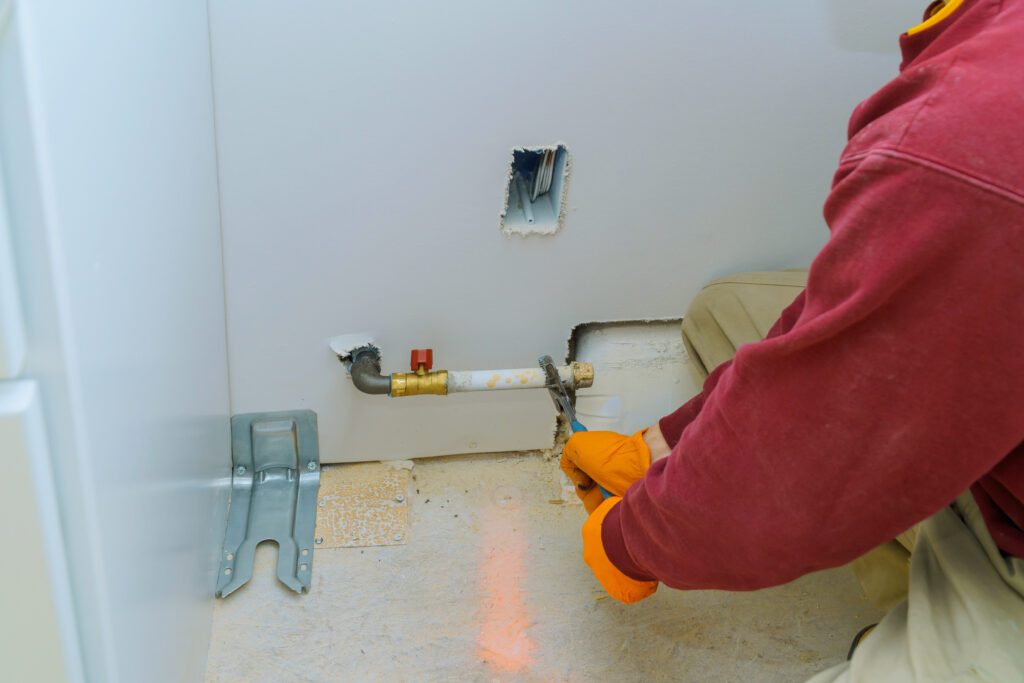
Quick answers for busy homeowners:
- Smell gas: leave, move away, and call 911 or your utility from a safe distance. UGI states there is no charge to investigate a gas odor.
- Who fixes what: the utility handles its pipe through the meter, and a licensed plumber handles piping after the meter.
- Repair or replace: isolated failures usually get repaired, while widespread corrosion or repeated leaks point to replacement.
- Permits: gas work follows the Pennsylvania Uniform Construction Code, which most municipalities enforce locally.
What Is a Gas Line Problem, and Who Owns Which Pipe?
A gas line problem is any leak, damaged connector, failing fitting, or restriction that lets gas escape or keeps it from reaching an appliance safely. Natural gas has no odor of its own, so utilities add an odorant that smells like rotten eggs. Homes in Bucks and Montgomery County that use natural gas are typically served by PECO or UGI, depending on the address, and your bill shows which one applies.
The dividing line is the gas meter. UGI explains customer-owned piping beyond the meter: UGI maintains its pipe up to and including the meter, and each customer is responsible for all customer-owned piping beyond it, including buried lines between the meter and the building or gas equipment. Other utilities set their own boundaries, so confirm yours before you assume who handles a repair.
| Part of the gas system | Who typically maintains it | Who to call |
| Gas main and service line to the meter | The gas utility (PECO or UGI) | The utility |
| Gas meter | The gas utility | The utility |
| Piping after the meter, inside the home | The homeowner | A licensed plumber |
| Buried yard lines to a garage, pool heater, or outdoor equipment | The homeowner | A licensed plumber, after calling 811 before any digging |
| Appliance shutoff valves and flexible connectors | The homeowner | A licensed plumber or appliance technician |
What Causes Gas Line Leaks and Damage?
Gas piping rarely fails without a reason. These are the causes plumbers see most often in Pennsylvania homes.
- Corrosion. Steel pipe and fittings rust when moisture reaches them, and the weakened metal can pit or crack. UGI notes that buried pipe that is not maintained “may be subject to the potential hazards of corrosion and leakage.”
- Ground movement and freeze-thaw. PECO’s safety guidance notes that leaks can result from construction or from ground movement during winter’s deep freeze. Buried lines and the joints near the foundation take the most stress.
- Excavation damage. A fence post, deck footing, or landscaping project can nick a buried line. Calling 811 before digging gives utilities time to mark their lines, and a plumber can help trace a private yard line.
- Loose joints and worn connectors. Threaded joints can loosen over time, and flexible appliance connectors can crack or kink, especially when a range, dryer, or water heater is pulled out for cleaning or replacement.
- Installation errors. A fitting without proper thread sealant, or an unpermitted do-it-yourself connection, can leak from day one.
- Physical damage. Remodeling, heavy items stored against exposed pipe, and moving appliances can bend or strain gas piping.
7 Warning Signs of a Gas Line Problem
Gas leaks require immediate attention from a licensed professional, and a gas odor always takes priority over the other signs on this list. UGI gas leak guidance and PECO’s natural gas safety guidance both tell customers to leave the building first.
| Warning sign | What it can mean | First step |
| 1. Rotten-egg or sulfur odor | Gas escaping from a pipe, fitting, connector, or appliance | Leave the building and call the utility or 911 from outside |
| 2. Hissing or whistling near a pipe, meter, or appliance | Gas escaping through a crack or loose joint | Move away and call from a safe distance |
| 3. Bubbling water, blowing dirt, or a dead patch of grass over a buried line | A leak in an underground line | Stay clear, call the utility, and do not dig |
| 4. Pilot lights that keep going out, or burners that light unevenly | A failing valve or regulator, a restricted line, or a venting problem | Stop using the appliance and schedule an inspection |
| 5. Rust, flaking, or kinks on visible pipe, or an old flexible connector | Corrosion or wear that can lead to a leak | Schedule a plumber inspection |
| 6. A gas bill that rises with no change in use | A slow leak is one possible cause, along with weather, rate changes, or an aging appliance | Compare usage with last year and schedule a line test |
| 7. Headache, dizziness, or nausea indoors, or a sounding carbon monoxide alarm | Carbon monoxide, which has no odor and comes from fuel-burning equipment | Go outside to fresh air and call 911 |
Carbon monoxide deserves its own note. The CPSC carbon monoxide guidance calls it a colorless, odorless, poisonous gas and recommends alarms on every level of the home and outside sleeping areas.
If You Smell Gas: What to Do Before You Call a Plumber
The utility response comes first, and the repair comes second. These steps follow the guidance from UGI and PECO.
- Leave the area right away and bring everyone with you. UGI says to leave immediately and evacuate others.
- Avoid anything that could spark. Do not use light switches, lighters, or matches, do not re-light a pilot light, and do not start your car near the building. UGI notes that battery-operated devices, including cell phones, near a leak could cause a spark.
- Move well away from the building. UGI suggests at least the length of a football field.
- Call 911 or your gas utility from that safe distance. UGI asks customers to report by phone, not by email or social media.
- Stay out until the utility says it is safe. UGI advises against re-entering until a service technician has inspected the building.
Call a licensed plumber for the repair after the utility has cleared your home. Our emergency plumbing team dispatches 24/7. UGI states there is no charge to respond to and investigate a natural gas odor, so cost should never delay the call.
DIY vs. Professional: What Homeowners Can and Cannot Do
UGI advises that only qualified plumbing and heating contractors should perform inspection, maintenance, or repair work on customer-owned piping. That leaves homeowners with the safety basics and leaves the piping to a pro.
| Homeowners can | A licensed plumber handles |
| Know where each appliance shutoff valve is and keep it accessible | Any repair, replacement, or extension of gas piping |
| Keep the area around the meter and appliances clear | Connecting, moving, or replacing gas appliances |
| Install and test carbon monoxide alarms | Pressure testing and leak locating |
| Look at exposed pipe and connectors for rust, kinks, or damage | Tracing and testing buried customer-owned lines |
| Call 811 before any digging and schedule an annual equipment check | Permits, inspections, and code-compliant materials |
Gas Line Repair or Replacement: How Plumbers Decide
A licensed plumber starts with an inspection and a pressure test, then recommends the smallest fix that leaves the system safe and code-compliant.
When Repair Makes Sense
- A single loose or failed fitting
- A cracked, worn, or kinked flexible appliance connector
- A short damaged section in otherwise sound piping
- A leaking appliance shutoff valve
When Replacement Makes Sense
- Widespread corrosion along a run of pipe
- Several leaks on the same line
- Crushed or kinked pipe that cannot be repaired safely
- A corroded or leaking underground line
- A line that is too small for new appliances, such as a larger range, a generator, or a tankless water heater
| Option | Advantages | Trade-offs |
| Repair | Faster, less disruptive, and focused on the failed part | Older pipe elsewhere on the run stays in service |
| Replacement | Resets the age of the run and lets the plumber resize it for new appliances | More work, more time, and permit and inspection steps |
What a Gas Line Repair Visit Looks Like
- Confirm the utility has cleared the home if the visit follows an odor report.
- Inspect the visible piping, connectors, valves, and appliance hookups.
- Pressure-test the line and use detectors to locate the failing fitting or section.
- Repair or replace the failing section with code-approved materials.
- Re-test the line and check each appliance for proper operation.
- Review the findings with you, and handle any permit or inspection the municipality requires.
Gas Line Repair in Bucks and Montgomery County: Local Context
Heating season is underway. The average first fall frost in Allentown arrives around October 17, according to the Old Farmer’s Almanac, which uses NOAA’s 1991 to 2020 climate normals. UGI recommends a professional check of gas equipment at least once a year, so fall is a practical time to inspect piping, connectors, and appliances before a furnace or boiler runs daily. Our boiler services team can pair that check with a boiler tune-up, and our guide to signs an old boiler needs replacing before winter explains when to plan ahead.
Home age matters because older homes often have decades-old steel piping, original appliance shutoffs, and additions where newer gas runs were tied into old ones. Census-based figures for several communities we serve show how many older homes are in the mix.
| Community (ACS 2019 to 2023, via Point2Homes) | Median year built | Built in 1939 or earlier |
| Allentown | 1952 | 37.9 percent |
| Pottstown | 1951 | 38.9 percent |
| Lansdale | 1958 | 25.9 percent |
| Doylestown | 1963 | 27.6 percent |
| Quakertown | 1967 | 26.1 percent |
Permits and codes follow Pennsylvania’s Uniform Construction Code, which was updated on January 1, 2026 to the 2021 International Codes, with amendments. The Department of Labor & Industry reports that over 90 percent of Pennsylvania municipalities administer and enforce the code locally, and certified third-party agencies handle residential enforcement in municipalities that opted out. Gas piping permit and inspection requirements therefore depend on your township or borough, and a licensed plumber confirms what applies before work begins.
Before any digging near a gas line, contact PA One Call through 811, and ask a plumber to help trace private yard lines.
Frequently Asked Questions About Gas Line Repair in Bucks and Montgomery County
What should I do if I smell gas in my house?
Leave the building right away, take everyone with you, and avoid anything that could spark, including switches, lighters, and phones inside the home. Once you are a safe distance away, call 911 or your gas utility’s emergency line. Wait for the utility to confirm the home is safe before you go back in, and call a licensed plumber for any repairs afterward.
Who is responsible for gas line repair, the utility or the homeowner?
Responsibility typically changes at the gas meter. UGI, for example, maintains its pipe up to and including the meter and treats piping beyond the meter as the customer’s responsibility, and other utilities draw similar lines. Confirm your utility’s boundary, and hire a licensed plumber for anything on the house side.
Will PECO or UGI fix a gas leak inside my house?
Utilities investigate gas odor reports, and UGI states there is no charge to respond to and investigate a natural gas odor. Repairs to customer-owned piping and appliance connections normally fall to the homeowner and a licensed plumber. Ask the utility technician what they found so your plumber can start in the right place.
How can I tell a gas leak from a carbon monoxide problem?
Natural gas has an added rotten-egg odor, while carbon monoxide is colorless and odorless, so only an alarm can detect it. The CPSC recommends carbon monoxide alarms on every level of the home and outside sleeping areas. If an alarm sounds or anyone has symptoms such as headache, dizziness, or nausea, get outside to fresh air and call 911.
What causes a gas line to leak?
Corrosion on steel pipe, loose or poorly sealed joints, worn flexible connectors, ground movement during freeze-thaw cycles, and damage from digging or remodeling are the usual causes. Poor original installation can also create slow leaks. A visual inspection and pressure test show which cause applies to your home.
Can a gas line be repaired, or does it always need to be replaced?
Many problems can be repaired, such as a failed fitting, a cracked connector, or a short damaged section in otherwise sound pipe. Replacement makes more sense when corrosion is widespread, several leaks show up on the same run, or the pipe is kinked or crushed. Your plumber explains the options after testing the line.
Do I need a permit for gas line repair in Bucks or Montgomery County?
Permit requirements depend on the municipality and the scope of the work. Over 90 percent of Pennsylvania municipalities administer the Uniform Construction Code locally, so your township or borough decides what needs a permit and an inspection. We confirm the requirements for your address before work begins.
Can I repair a gas line myself?
Gas piping repairs belong to a licensed professional. UGI advises that only qualified plumbing and heating contractors perform inspection, maintenance, or repair work on customer-owned piping. Homeowners can safely keep appliance shutoffs accessible, keep the area around appliances clear, and test their carbon monoxide alarms.
How do plumbers find a gas leak?
A plumber inspects the visible piping, connectors, and valves, then pressure-tests the line to see whether it holds. Electronic gas detectors and approved leak detection solution help pinpoint the exact fitting. Buried lines may need additional tracing before any digging begins.
How often should gas lines and appliances be inspected?
UGI advises having gas equipment checked at least once a year by a professional. Fall, before heating season, is a practical time to check furnaces, boilers, water heaters, and the connections that feed them. Ask for the piping and connectors to be included in the visit.
Are flexible gas connectors safe, and when should they be replaced?
Flexible connectors are common behind ranges, dryers, and water heaters, and they can crack, kink, or loosen over time, especially when an appliance is moved. Replace a connector that shows damage, corrosion, or kinks, and install a new one whenever a new appliance goes in. A plumber can confirm the right type for each appliance.
Do I need to call 811 before digging near a gas line?
Yes. Call 811 before any digging, and UGI asks customers to call at least three business days before excavating. Ask a licensed plumber to help locate any privately owned gas line in your yard, such as one that runs to a garage, grill, or pool heater, before you dig.
How do I know if a buried gas line in my yard is leaking?
UGI lists a rotten-egg odor, a hissing sound, blowing dirt, grass, or leaves, water bubbling or blowing into the air, and flames coming out of the ground as signs of a possible leak. A dead patch of vegetation with no other cause can also point to one. If you notice any of these, move away and call the utility, then have a plumber test and repair the customer-owned portion.
Can you add a gas line for a stove, dryer, generator, or fire pit?
Yes. We install new gas lines and size them for the appliances they will feed, because older piping may not carry the added load. We confirm the permit requirements, route the line, and pressure-test it before the appliance goes into service. Call 267-377-4172 to schedule an evaluation.
Do you offer emergency gas line repair in Bucks and Montgomery County?
Yes. Mastery Plumbing dispatches 24/7 and offers same-day service for repairs once the gas utility has cleared the home. If you smell gas, leave the building and call 911 or your utility first, then call 267-377-4172 for the repair.
When to Call Mastery Plumbing for Gas Line Repair
Call Mastery Plumbing after a utility has cleared your home of a gas odor, when an inspection shows corrosion or a failing connector, when you are adding a stove, dryer, generator, or fire pit, or when a boiler or water heater needs a gas line upgrade. Our team serves homeowners in Doylestown, Lansdale, Horsham, Norristown, Warminster, and Quakertown, and we dispatch 24/7.
| Why Choose Mastery Plumbing | What It Means for You |
| Reviews You Can Verify: Google, Yelp, Houzz | Real customer feedback on three independent platforms, so you can check our work before you call. |
| Licensed PA133897, Insured and Bonded | You are protected by verified credentials and coverage if anything goes wrong on site. |
| Master Plumber Dan Dunn, 25+ Years of Experience | The owner brings decades of hands-on experience to the job and stays accountable for the result. |
| Family-Led and Local Since 2017 | A local team that serves Bucks, Montgomery, and the Lehigh Valley and treats your home like its own. |
| 24/7 Emergency Dispatch, Same-Day Service | We answer day or night, including holidays, so a burst pipe or sewer backup does not wait for business hours. |
| Upfront Estimates, Financing Available | You approve the scope before work begins, with no hidden fees, and financing and payment plans are available. |
| 1-Year Workmanship Warranty | We stand behind our repairs and installations after the crew leaves. |
| Gas Line Know-How for Older Homes | We explain what the utility handles and what belongs to you, then test the line before the appliance goes back into service. |
| VIP Care Plans | Annual multi-point inspections, no service fees, and discounted emergency fees keep small problems small. |
Schedule Gas Line Repair in Bucks and Montgomery County
Mastery Plumbing provides licensed (PA133897), insured, and bonded gas line repair and inspection with 24/7 dispatch. Call 267-377-4172 or request service online. Meet Dan Dunn and the team on our About Us page, read feedback on our reviews, and browse every option on our plumbing services overview.


